ZOLL AED Plus Aviation Edition
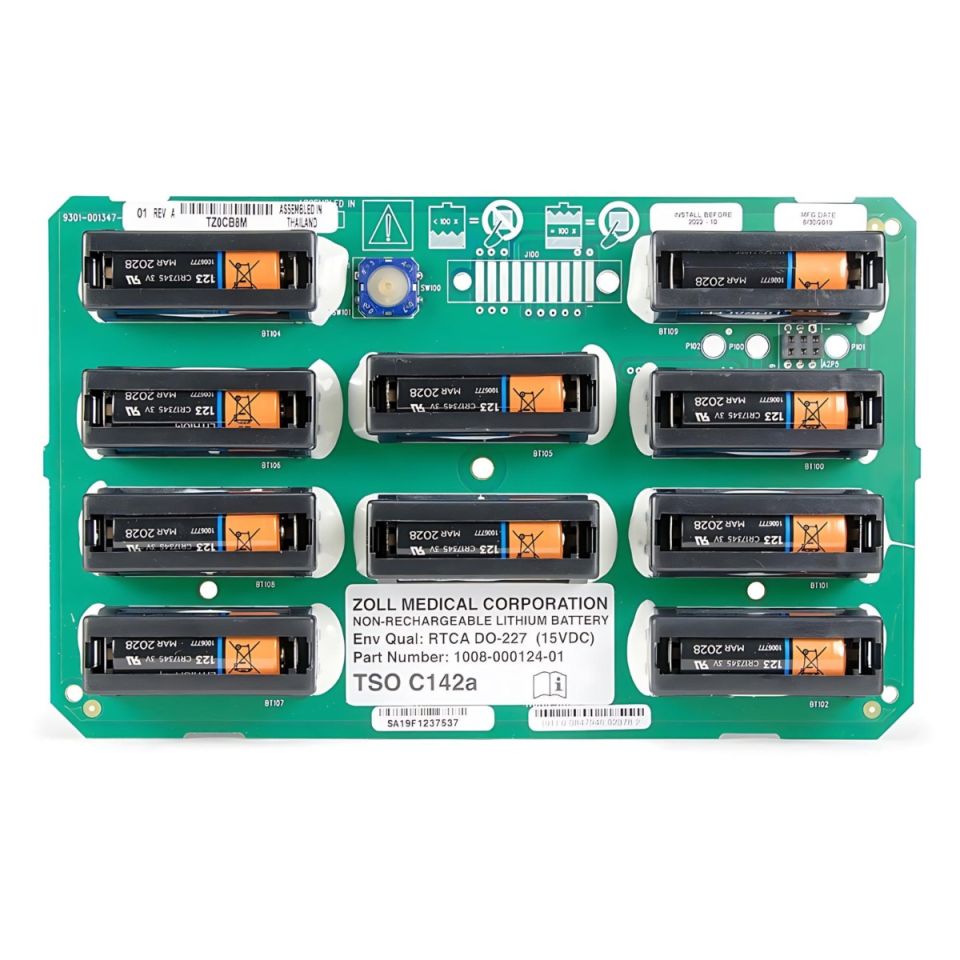
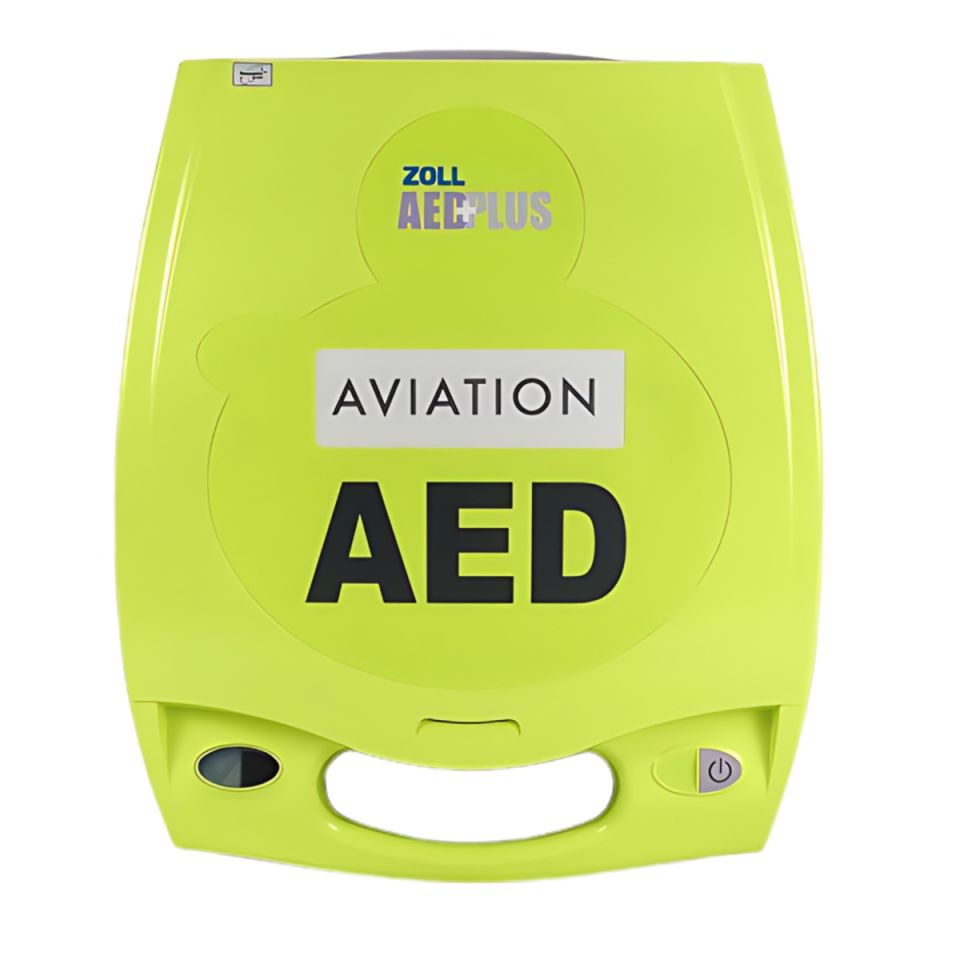
The ZOLL AED Plus Aviation Edition is a semi-automatic defibrillator built for use on aircraft. It uses the same proven hardware as the standard AED Plus, including one-piece CPR-D-padz electrode technology and Real CPR Help coaching, fitted with a TSO-C142a approved battery pack and certified to RTCA/DO-160G aviation standards covering vibration, electromagnetic emissions, and radiated immunity.
This is the correct configuration for operators who need an AED that meets FAA and aviation authority requirements for aircraft deployment. It is available in semi-automatic configuration only.
Electrode pads are not included and must be purchased separately. Supplied by Defib Store as authorised UK distributors of ZOLL Medical Corporation.
Key Features of a ZOLL AED Plus Aviation Edition
- FAA-Compliant for Aviation Use – Approved for civil, commercial, and private aircraft.
- Real CPR Help Technology – Visual and audio prompts guide rescuers on compression depth and rate.
- Long-Life Consumables – Electrodes and batteries last up to 5 years, reducing maintenance costs.
- Durable & Shock-Resistant – Built to withstand vibration, turbulence, and harsh conditions at altitude.
What's in the Box
- ZOLL AED Plus Aviation Edition - semi-automatic
- TSO-C142a Aviation Battery Pack (part no. 8000-003000-01) - installed and secured
- User manual and documentation pack
Electrode pads are not included. The device requires CPR-D-padz (adult, one-piece) for use. These must be ordered separately. Pedi-padz II are available for paediatric use. Contact Defib Store on: 01298 872 186 if you need guidance on compatible pads or to add them to your order.
Aviation Compliance Certifications
The ZOLL AED Plus Aviation Edition meets the following aviation standards:
| Requirement | Standard |
| Battery certification | FAA TSO-C142a Approved |
| Vibration | MIL Std. 810F, Min Helicopter Test |
| Electromagnetic emissions (all operating modes) | RTCA/DO-160G: 2010, Section 21, Category M |
| Radiated immunity | RTCA/DO-160G: 2010, Section 20, Category R |
In the UK and Europe, there is no equivalent universal legal requirement for all aircraft to carry a defibrillator, though many airlines and operators carry them voluntarily, and some air operator certificates include medical equipment requirements. The TSO-C142a standard is internationally recognised and accepted by aviation authorities, including the CAA and EASA. If your operation is subject to specific carriage requirements, confirm the applicable standards with your operations team.
Real CPR Help
The AED Plus measures actual chest compression depth and rate through the CPR-D-padz sensor. It provides real-time audio prompts, including corrective guidance if compressions are too shallow, throughout CPR cycles between shocks. For cabin crew or first responders under stress, this feedback has a measurable effect on compression quality.
One-Piece CPR-D-padz Electrode System
The AED Plus uses a single connected electrode covering both the upper chest and lower torso. This eliminates the risk of incorrect pad placement under pressure, which matters when a non-clinical responder is managing an emergency mid-flight. The integrated sensor is what enables Real CPR Help. Note that pads are sold separately and carry a shelf life; check expiry dates as part of your scheduled AED maintenance.
Automatic Self-Testing
The AED Plus runs scheduled self-tests of its battery and internal circuits. A status indicator confirms the device is ready for use.
Step-by-Step Voice Guidance
Audio prompts guide the rescuer through pad placement, CPR, and shock delivery. The device is designed for use by non-clinical responders, including cabin crew with standard first aid training.
| Weight | 3.1 kg |
| Dimesion | 13.3 cm x 24.1 cm x 29.2cm |
| Self-test | Weekly self-test |
| Battery life | Up to 5 years |
| Pad Life | Up to 5 Years (CPRD pads) |
| Ingress protection | IP55 (dust protected and water resistant) |
CPR and AED Training
Training in AED use is not a legal requirement for carriage on aircraft in the UK. However, familiarising crew with the device before an emergency makes a meaningful difference to response speed and reduces errors under pressure. If you want to arrange training for your team, contact Defib Store on 01298 872 186, and we can point you to appropriate options.
Frequently Asked Questions
What is the difference between the ZOLL AED Plus aviation edition and the standard AED Plus?
The device body is the same. The aviation edition comes with a TSO-C142a approved battery pack (part no. 8000-003000-01), which is required for use on commercial aircraft under FAA regulations. The battery is fixed and screwed in place rather than being a removable cassette. The aviation edition also includes the documentation required to support compliance records. The standard AED Plus uses a non-TSO-certified battery and is intended for ground-based deployment.
Do electrode pads come with the ZOLL AED Plus aviation edition?
No. Electrode pads are not included with the aviation edition. CPR-D-padz (adult, one-piece) must be purchased separately before the device can be used. If there is any possibility of treating a child on board, Pedi-padz II should also be available. Both are available from Defib Store. Contact us if you need help selecting the right pads or adding them to your order.
Is a defibrillator required by law on UK aircraft?
In the UK and Europe, there is currently no universal legal requirement for all aircraft to carry a defibrillator. The FAA mandates AEDs on commercial passenger flights in the US with at least one flight attendant. Many UK and European airlines carry AEDs voluntarily, and some operators are subject to medical equipment requirements under their air operator certificates. Confirm your specific obligations with your operations team or the CAA.
What does TSO-C142a mean and why does it matter for aircraft?
TSO-C142a is a FAA Technical Standard Order that sets performance, safety, and reliability requirements for AED batteries used on aircraft. A defibrillator used on a commercial aircraft must carry a TSO-approved battery to comply with FAA requirements. The ZOLL AED Plus aviation battery meets this standard. The equivalent EASA certification is ETSO-C142a.
Can the ZOLL AED Plus aviation edition be used in helicopters?
Yes. The device is tested to MIL Std. 810F Minimum Helicopter Test, which validates its performance against the vibration conditions encountered in rotary-wing aircraft. It meets the same aviation standards required for fixed-wing commercial aircraft.
What type of defibrillator is on most modern commercial planes?
Most commercial airlines carry semi-automatic AEDs, which prompt the crew member to press a shock button rather than delivering the shock automatically. Common models include the ZOLL AED Plus, ZOLL AED 3, Philips HeartStart, and Defibtech Lifeline. The specific model varies by airline. All devices carried on commercial aircraft under FAA regulations must include a TSO-C142a or ETSO-C142a approved battery.
| Brand | ZOLL |
|---|