
LUCAS 3.1 Chest Compression System
In a cardiac arrest, every second without high-quality chest compressions reduces the chance of survival. Manual CPR, however well-trained the responder, deteriorates in quality within minutes, due to physical fatigue, patient transport movement, or the sheer demands of a multi-casualty or prolonged resuscitation scenario. For the teams that cannot afford that deterioration, the Stryker LUCAS 3.1 Chest Compression System is the established clinical standard.
The LUCAS 3.1 is the world's most used automatic CPR machine, an automated chest compression device that delivers consistent, guideline-compliant compressions without the limitations of manual CPR.
The LUCAS 3.1 allows for adjustable compression rates at the touch of a button, in compliance with the Resuscitation Council UK's guidelines of over 100 compressions per minute. Plus, a post-event report records all compression rates, depth, and duration for complete transparency.
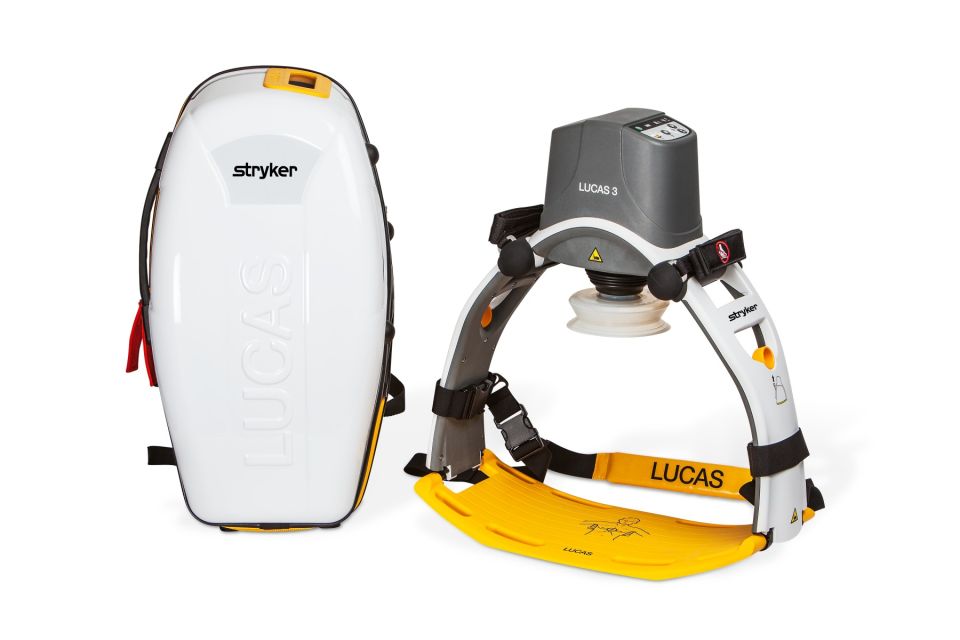
Included with the LUCAS 3.1 device is the carrying bag, enabling rescue staff to transport the machine over rugged terrain easily.
Please note: the LUCAS 3.1 is dispatched to order with a lead time of several weeks and orders are non-cancellable. The auxiliary power supply is sold separately.
For all enquiries about the Stryker LUCAS 3.1 Chest Compression System, please contact us on 01298 872 186 or use the web chat to speak with one of our specialists.
What's Included
Every LUCAS 3.1 Chest Compression System (Stryker part 99576-000065) ships as a complete operational kit:
- 1 x LUCAS 3.1 Chest Compression System
- 1 x Battery
- 1 x Carrying bag
- 1 x Stabilisation strap
- 1 x Patient straps (wrist)
- 2 x Disposable suction cups
- 1 x Instructions for use (IFU)
Important note on the carry case: The device ships with a carrying bag as standard. The hard shell carry case shown as an accessory on the product page is a separate upgrade, sold individually.
Necessary Accessories for the LUCAS 3.1
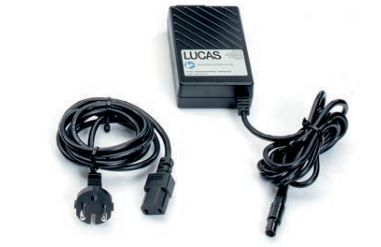
LUCAS 3.1 Chest Compression System Auxiliary Power Supply
Recommended LUCAS 3.1 Products
LUCAS 3.1 Chest Compression System Battery
LUCAS 3.1 Chest Compression System Carry Case
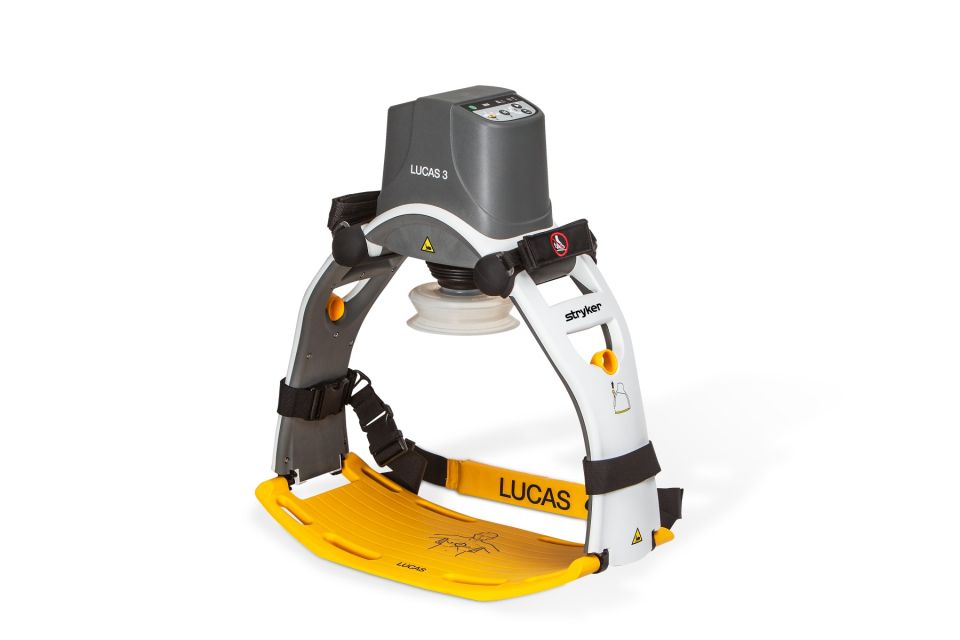
Key Features
- Adjustable compression rates: 102, 111, or 120 compressions per minute
- Compression rate can be varied during operation
- Adjustable compression depth (between 45mm - 53mm)
- Compact and lightweight with included carrying bag
- Top window for battery checks
- Allows for greater freedom of chest space to maintain defibrillator pad access during operation
- WiFi and Bluetooth connectivity for post-event reporting
- Simple user interface for easy use
- 45-minute run time from a single battery - extended by the external power supply
- Fits 95% of patients
- Has no weight restrictions
- Stabilisation strap as standard to maintain device position
- Carry case charging access to recharge the device whilst in storage
- Disposable suction cup designed to improve chest expansion during operation
- Low profile back plate for easy patient placement
- IP43 classified - suitable for demanding field, transport, and industrial environments
- 4GB onboard data storage stores more than two uses per day over the device lifetime
- Battery replacement recommended every 3-4 years or after 200 uses
- Defibrillation can be applied during ongoing compressions; there is no need to pause for shock delivery
- LIFENET system integration allows remote fleet management, battery alerts, protocol configuration
Lucas 3.1 Stats
- Greater than 99% documented operational reliability in clinical use
- Transitions from manual to mechanical CPR in a median of 7 seconds
- Up to 60% increased blood flow to the brain vs manual CPR (clinical evidence)
- World's most used mechanical CPR device, 50,000+ units deployed globally
- CE marked Class IIb medical device
- Backed by 200+ peer-reviewed publications, including the LINC randomised controlled trial (JAMA)
Who Uses the LUCAS 3.1?
Ambulance services and paramedic teams
South Central Ambulance Service (SCAS) became the first UK ambulance trust to roll out the LUCAS device across its fleet, a decision rooted in the clinical evidence for consistent compressions during active patient transport. Manual CPR in a moving ambulance is physically dangerous for the responder and clinically inconsistent. The LUCAS 3.1 maintains compressions at a set depth and rate regardless of transport conditions, and allows paramedics to maintain a safe distance when resuscitating patients with infectious diseases. It also frees the crew to focus on the patient's underlying condition rather than managing CPR rotation.
Fire and rescue teams
Fire and rescue operations frequently demand simultaneous management of extrication, hazard control, triage, and patient care. Manual CPR rotation requires at least two personnel cycling out every two minutes. The LUCAS 3.1 removes that constraint entirely; a single trained operator can activate the device and maintain compressions continuously, freeing the rest of the team for other critical tasks.
Football stadiums and professional sports venues
Sudden cardiac arrest in a sports venue creates a uniquely pressured environment: a large crowd, media presence, and the expectation of immediate, visible action. The LUCAS 3.1 is used by professional sports medical teams as part of their cardiac response protocol, maintaining consistent CPR from pitch to ambulance to hospital, including throughout transport to the cath lab for advanced intervention where required.
Remote and industrial workplaces
Oil and gas extraction sites, offshore platforms, mining operations, and other remote industrial workplaces face a specific challenge: when cardiac arrest occurs, emergency service response may be measured in hours rather than minutes. An automated CPR machine like the LUCAS 3.1 is the only practical solution in these environments. Extended resuscitation, sometimes across multiple hours, is documented in the clinical literature and has been associated with full neurological recovery in hypothermic cardiac arrest cases.
Frequently Asked Questions
What is the Stryker LUCAS 3.1 used for?
The LUCAS 3.1 is a mechanical CPR device designed to deliver consistent, guideline-compliant chest compressions during cardiac arrest, replacing manual CPR in scenarios where it becomes clinically inadequate or physically unsustainable. These include patient transport in a moving ambulance, extended resuscitation in remote or industrial settings, active extrication by fire and rescue teams, and resuscitation in professional sports venues. It is also used as a bridge to advanced care, including ECMO and percutaneous coronary intervention (PCI) in the cardiac catheterisation lab, during ongoing compressions.
How does the LUCAS 3.1 compare to manual CPR?
Manual CPR degrades quickly due to responder fatigue, especially during transport or when the crew is limited. The LUCAS 3.1 mechanical CPR device maintains consistent compressions at the correct depth (45–53mm) and rate (102–120 per minute) indefinitely, achieving compression fractions of up to 93%.
Clinical evidence shows the LUCAS chest compression system improves blood flow to the brain by up to 60% compared to manual CPR, with a transition time of just 7 seconds in real-world use. Over 99% of survivors treated with the LUCAS device showed good neurological outcomes at six months.
What is the difference between the LUCAS 3 and the LUCAS 3.1?
The LUCAS 3.1 (version 3.1) is an updated version of the LUCAS 3 (version 3.0). The core compression mechanism, clinical performance, and physical form factor remain the same. Version 3.1 adds Wi-Fi connectivity and Stryker LIFENET System integration, enabling wireless post-event reporting (full PDF event reports sent directly to your email after device check-in), remote device configuration to match your local protocols, fleet asset management, and battery expiry notifications. For teams requiring clinical governance and audit trails, the LUCAS 3.1 is the version to specify.
Is the LUCAS 3.1 suitable for use during ambulance transport?
Yes, this is one of its primary design applications. Manual CPR in a moving ambulance is physically hazardous for the responder and clinically inconsistent. The LUCAS 3.1 maintains compression quality during transport, with published studies demonstrating improved CPR metrics compared to manual CPR in moving vehicles. South Central Ambulance Service (SCAS) became the first UK ambulance trust to roll out the LUCAS device across its fleet (source: scas.nhs.uk), recognising its value for pre-hospital transport resuscitation. The device also permits responders to remain seated and belted during transport, reducing crew injury risk.
What accessories do I need for the LUCAS 3.1?
The LUCAS 3.1 ships as a complete operational kit, device, battery, carrying bag, stabilisation strap, patient straps, two disposable suction cups, and instructions for use. The following accessories are sold separately and are recommended depending on your deployment:
Auxiliary Power Supply - extends run time beyond the included battery's 45-minute limit. Essential for ambulance transport and remote or prolonged resuscitation deployments. This is the one accessory we strongly recommend purchasing alongside the device.
Replacement Battery - the included battery will need replacing every 3–4 years or after 200 uses. Charges fully in under two hours via the auxiliary power supply.
Hard Shell Carry Case - an upgraded case offering greater protection than the standard carrying bag. Recommended for teams operating in demanding or outdoor environments.
Suction cups are consumable and will need periodic replacement. Contact our team on 01298 872 186 for current accessory pricing and availability.
Is the LUCAS 3.1 suitable for remote or industrial environments, such as oil and gas or mining?
Yes. The device is IP43 classified, compact (8kg with battery), and supplied with a rugged carry case designed for transport across challenging terrain. For remote or offshore sites where emergency service response times may extend to hours, the LUCAS 3.1 supports prolonged resuscitation through its 45-minute single-battery run time, extendable indefinitely with the auxiliary power supply (sold separately). Clinical case studies have documented successful neurological recovery following extended mechanical CPR in circumstances including hypothermic cardiac arrest lasting approximately nine hours.
What does LUCAS stand for?
LUCAS stands for Lund University Cardiopulmonary Assist System. The device was originally developed at Lund University in Sweden by Jolife AB, now a Stryker company, and takes its name from that research origin. The LUCAS 3.1 is the latest generation of the device, combining the proven compression mechanism with Wi-Fi and Bluetooth connectivity for post-event data reporting.
What is a LUCAS machine? Is it an automatic CPR machine?
Yes. The LUCAS is an automatic CPR machine, more precisely, an automated mechanical chest compression device that delivers consistent, hands-free chest compressions during cardiac arrest. Rather than relying on a responder to manually perform CPR, the LUCAS device positions over the patient's chest and uses a motorised piston with a suction cup to deliver compressions at a set depth and rate, continuously and automatically. It is used by ambulance services, fire and rescue teams, hospitals, and industrial emergency response teams as an adjunct to manual CPR in scenarios where sustained manual compressions are impractical or unsafe.
Is the LUCAS device still recommended?
Yes. The LUCAS 3.1 remains an approved and widely used mechanical CPR device, supported by the highest level of clinical evidence including the LINC randomised controlled trial published in JAMA. It is recommended by resuscitation guidelines as an adjunct to manual CPR in specific scenarios where effective manual CPR is not possible, for example, during patient transport, extended resuscitations, or when personnel are limited. The device is CE marked as a Class IIb medical device and continues to be deployed by ambulance services across the UK and Europe, including South Central Ambulance Service (SCAS), the first UK ambulance trust to roll it out fleet-wide.
How much does the LUCAS 3.1 cost in the UK?
The Stryker LUCAS 3.1 Chest Compression System is priced at £10,400 ex VAT (£12,480 inc VAT). The device is dispatched to order with a lead time of several weeks; orders are non-cancellable. The price includes the device, battery, carrying bag, stabilisation strap, patient straps, two disposable suction cups, and instructions for use. The auxiliary power supply, replacement batteries, and hard shell carry case are available separately. Call our team on 01298 872 186 to confirm current availability and lead times before placing your order.
How long does a LUCAS battery last?
The LUCAS 3.1 battery provides approximately 45 minutes of continuous operation under typical conditions. For resuscitations that may exceed 45 minutes, including ambulance transport, extended pre-hospital scenarios, or remote and industrial deployments, the LUCAS 3.1 Auxiliary Power Supply (sold separately) is essential. It extends run time indefinitely and charges the battery in under two hours while connected. Stryker recommends replacing the battery every 3–4 years or after 200 uses of more than 10 minutes each.
What is the difference between the LUCAS 2 and the LUCAS 3?
The LUCAS 3 (and its updated version, the LUCAS 3.1) introduced several advances over the LUCAS 2. The core compression mechanism, piston, suction cup, depth, and rate, remain clinically equivalent. The key differences are in data and connectivity: the LUCAS 3.1 features Wi-Fi and Bluetooth for wireless post-event reporting, LIFENET system integration for remote fleet management and battery notifications, and the ability to configure device settings wirelessly to match your local protocols. The LUCAS 2 did not have these data capabilities. For teams requiring clinical governance, audit trails, or fleet management across multiple devices, the LUCAS 3.1 is the current recommended version.
Is there a weight limit for the LUCAS device? Can it be used on larger patients?
No. The LUCAS 3.1 has no patient weight restriction. Eligibility is based on chest dimensions rather than body weight. The device is compatible with patients with a chest height of 17–30.3cm and a maximum chest width of 44.9cm, fitting approximately 95% of the adult patient population. This makes it suitable for use across a wide range of patients, including larger individuals, without the need to assess weight before deployment.
What is the lead time for the LUCAS 3.1 in the UK?
The LUCAS 3.1 is dispatched to order from Stryker and carries a lead time of several weeks from order confirmation. Orders are non-cancellable once placed. Call our team on 01298 872 186 before ordering to confirm the current lead time and availability. We recommend doing this before raising any procurement or purchase orders.
Can Defib Store arrange training or servicing for the LUCAS 3.1?
Yes. As an authorised Stryker LUCAS distributor, Defib Store can facilitate device training and maintenance servicing through Stryker's service team. Stryker recommends annual refresher training for all LUCAS operators. Speak to our team when placing your order to discuss training and servicing options for your organisation. Call 01298 872 186 for more information
| Brand | Stryker |
|---|
-
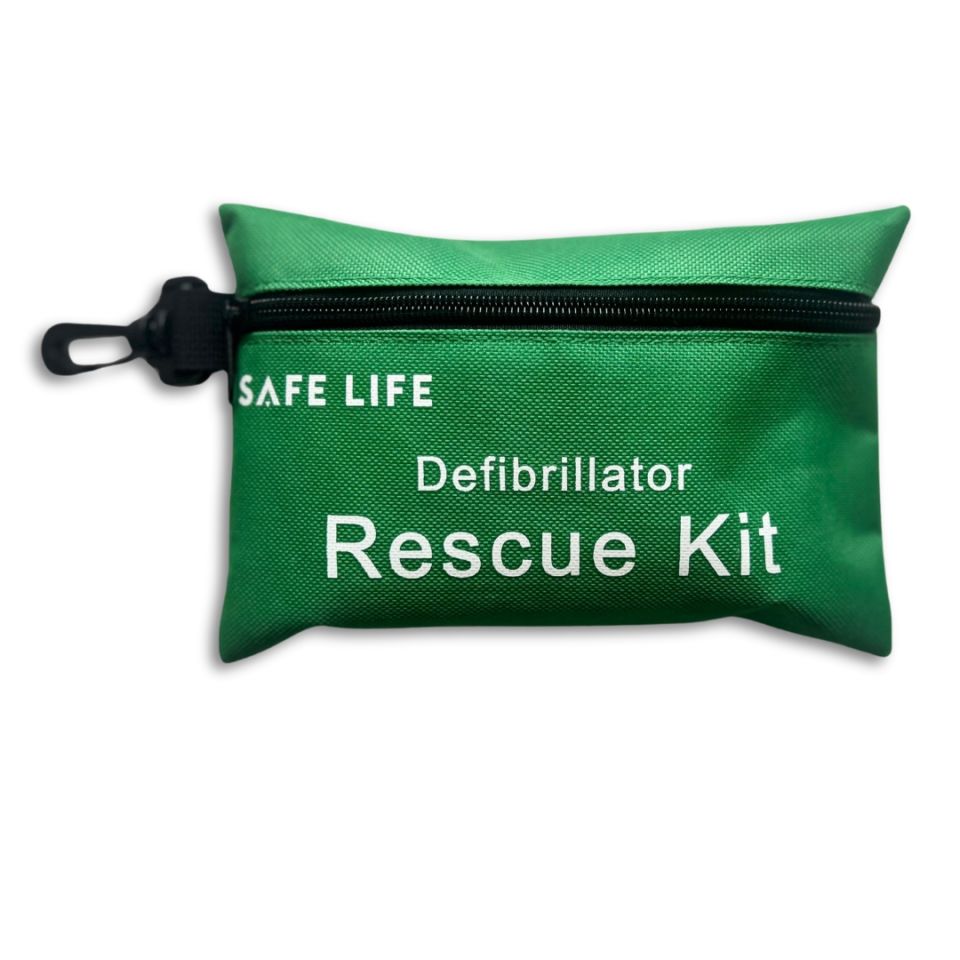 Defib Store Rescue Ready KitInc.VAT £23.99 £19.99
 -
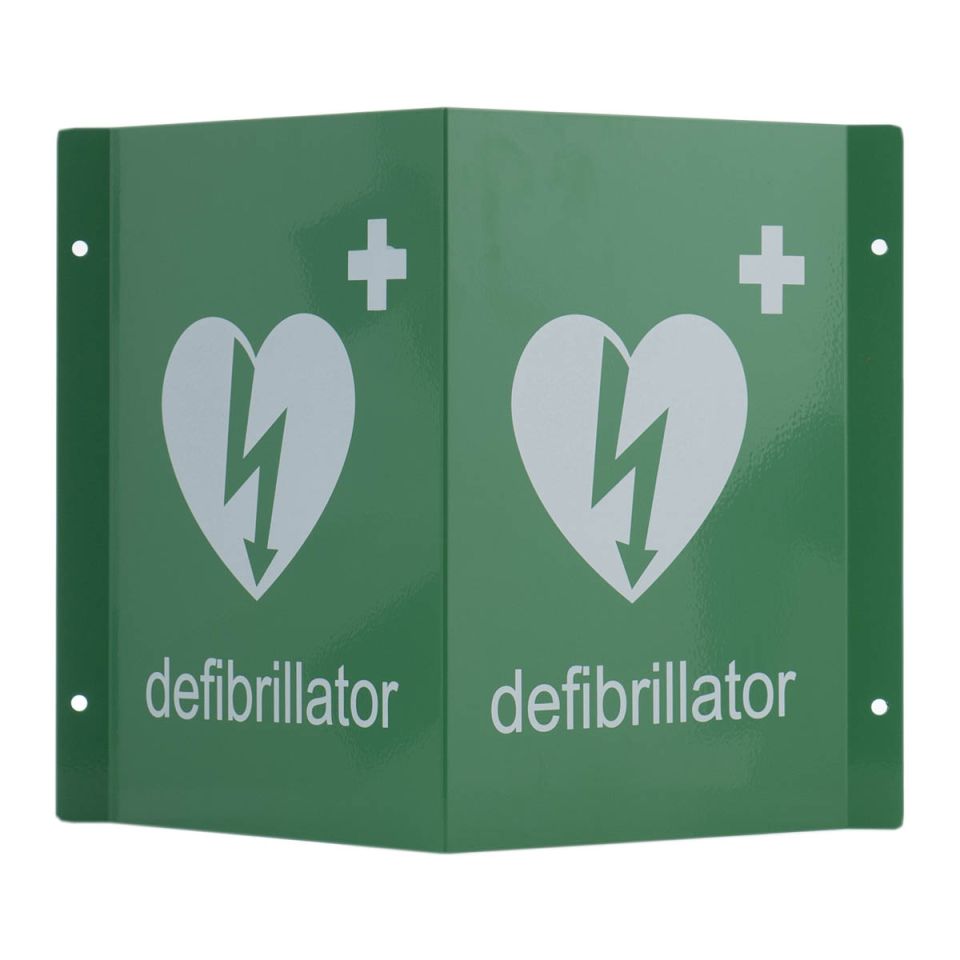 3D Metal Public Access Defibrillator Wall SignInc.VAT £21.59 £17.99
 -
 Defibrillator Telephone Box SignsInc.VAT £96.00 £80.00
 -
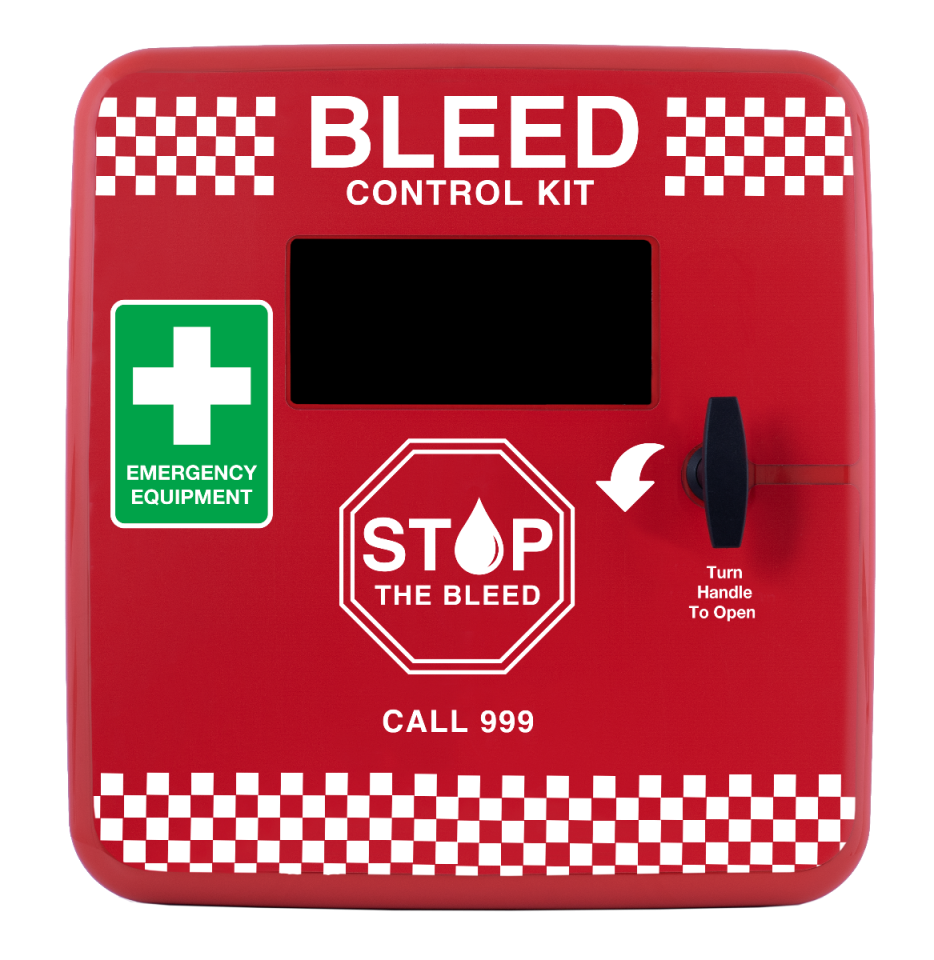 Defib Store Bleed Control Cabinet - Unlocked - RedInc.VAT £348.00 £290.00
 -
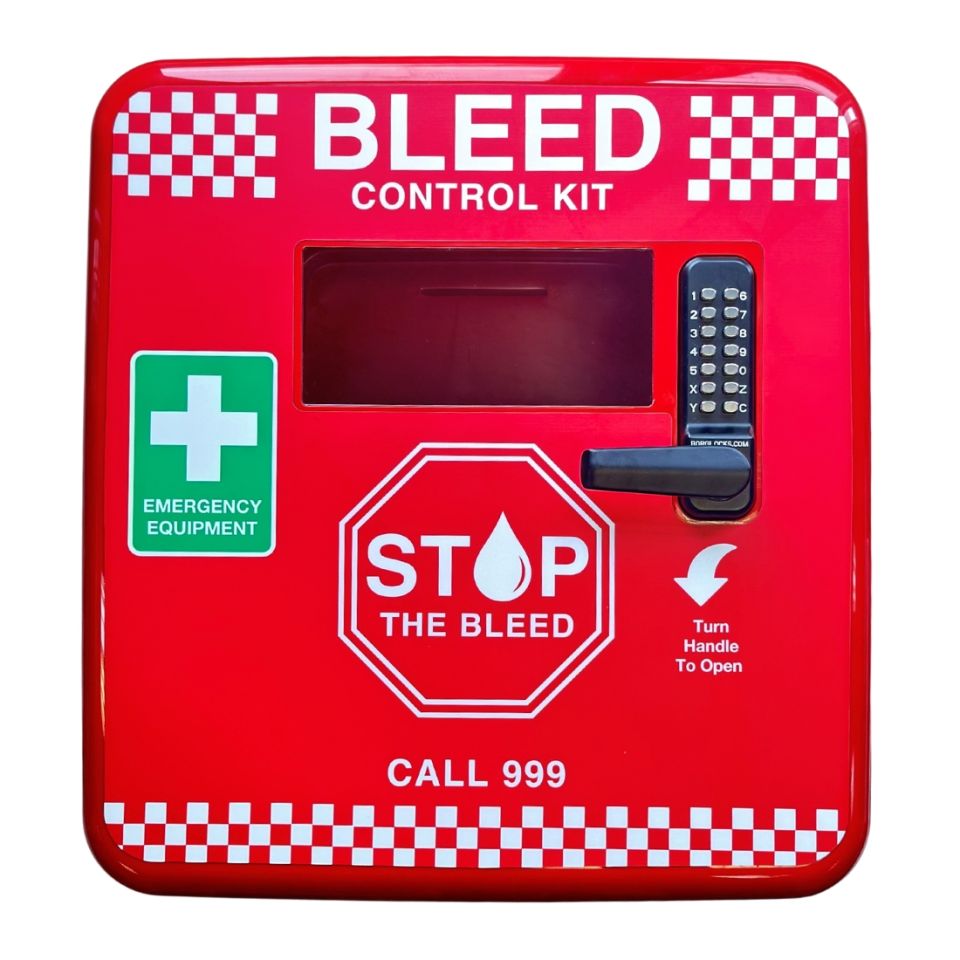 Defib Store Bleed Control Cabinet - Locked - RedInc.VAT £396.00 £330.00
 -
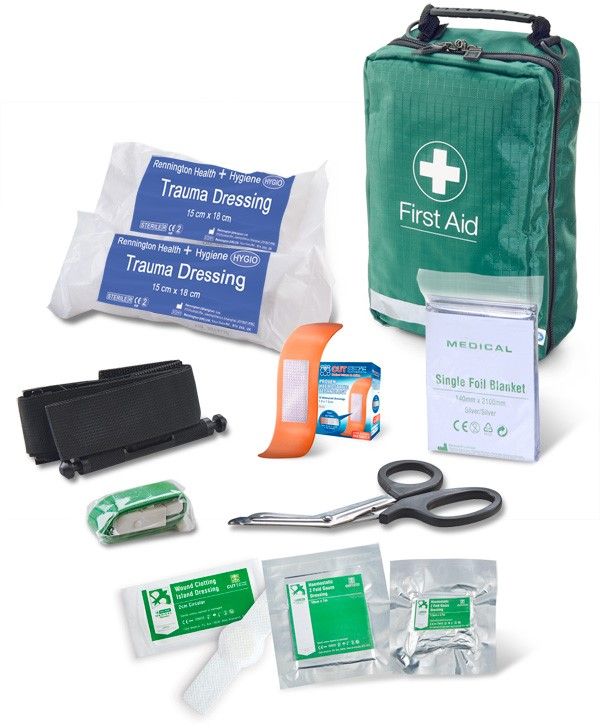 Soft Shell Bleed Control and Emergency Trauma KitInc.VAT £90.00 £75.00